

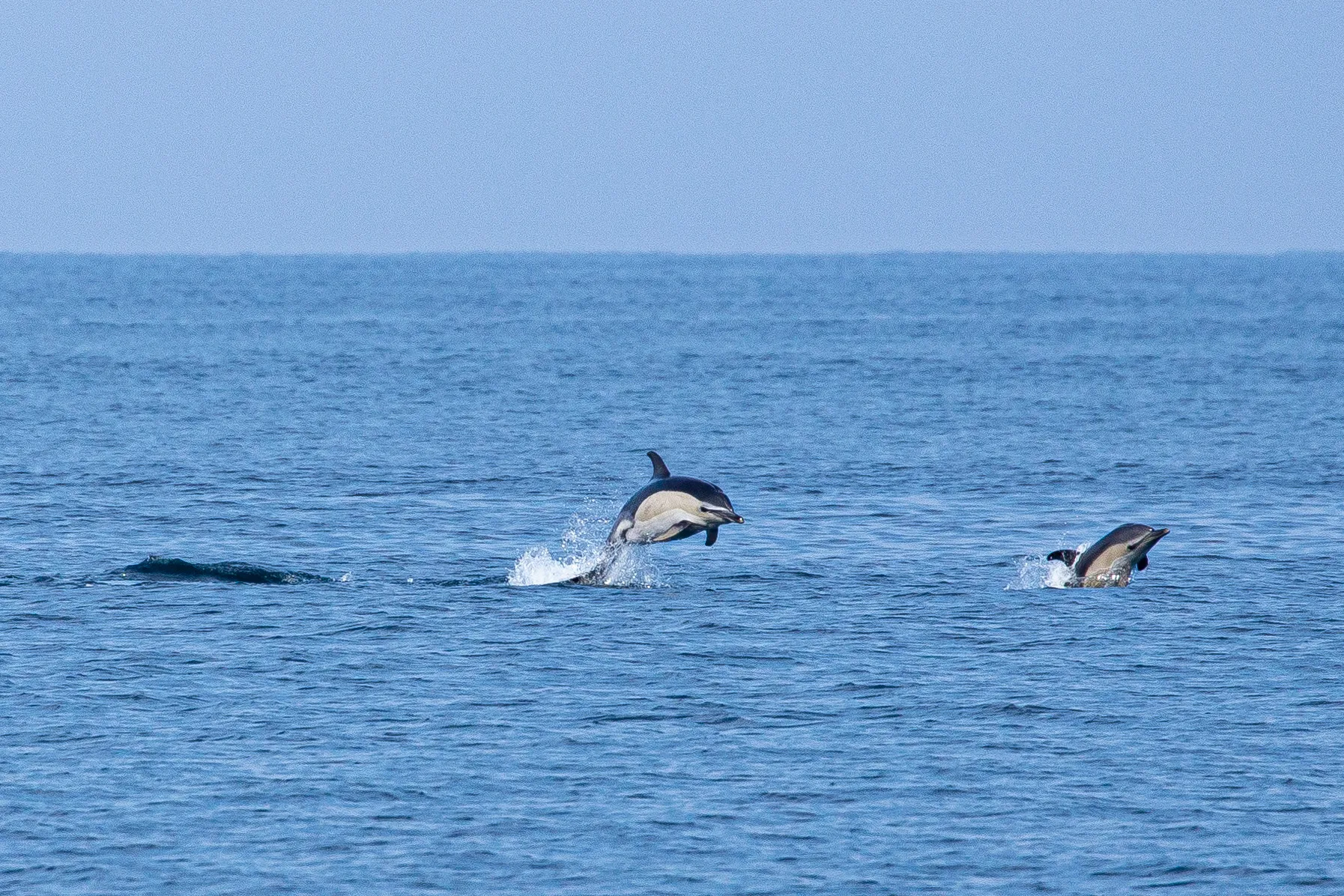
We’re off to Morocco! As we leave the port of Arzal, I’m overcome with euphoria: to reach the Maghreb by sail, what a promise of a change of scenery. From the Vilaine to Tangiers, via Galicia, the Portuguese coast, the Algarve and Andalusia, we’re following the first leg of the great Atlantic loop. My joy is multiplied tenfold when, as we leave the Vilaine, dolphins come to escort us.
In the Bay of Biscay, my good mood gives way to a dull anxiety. For the first time, we’ll be crossing in pairs as far as La Coruña. Daytime sailing doesn’t scare me, but I’m apprehensive about night watches with two people. But the weather’s ideal: clear skies and downwind winds of 15 to 20 knots. I can’t wait to get back to Corunna and the promise of long summer evenings, aperitifs on lively terraces, under the benevolent eye of María Pita – the one who, it is said,
repelled the English invaders in 1589. But as we approach, the city seems to want to test us, and we’re picked off by gusts of 34 knots.
Galicia
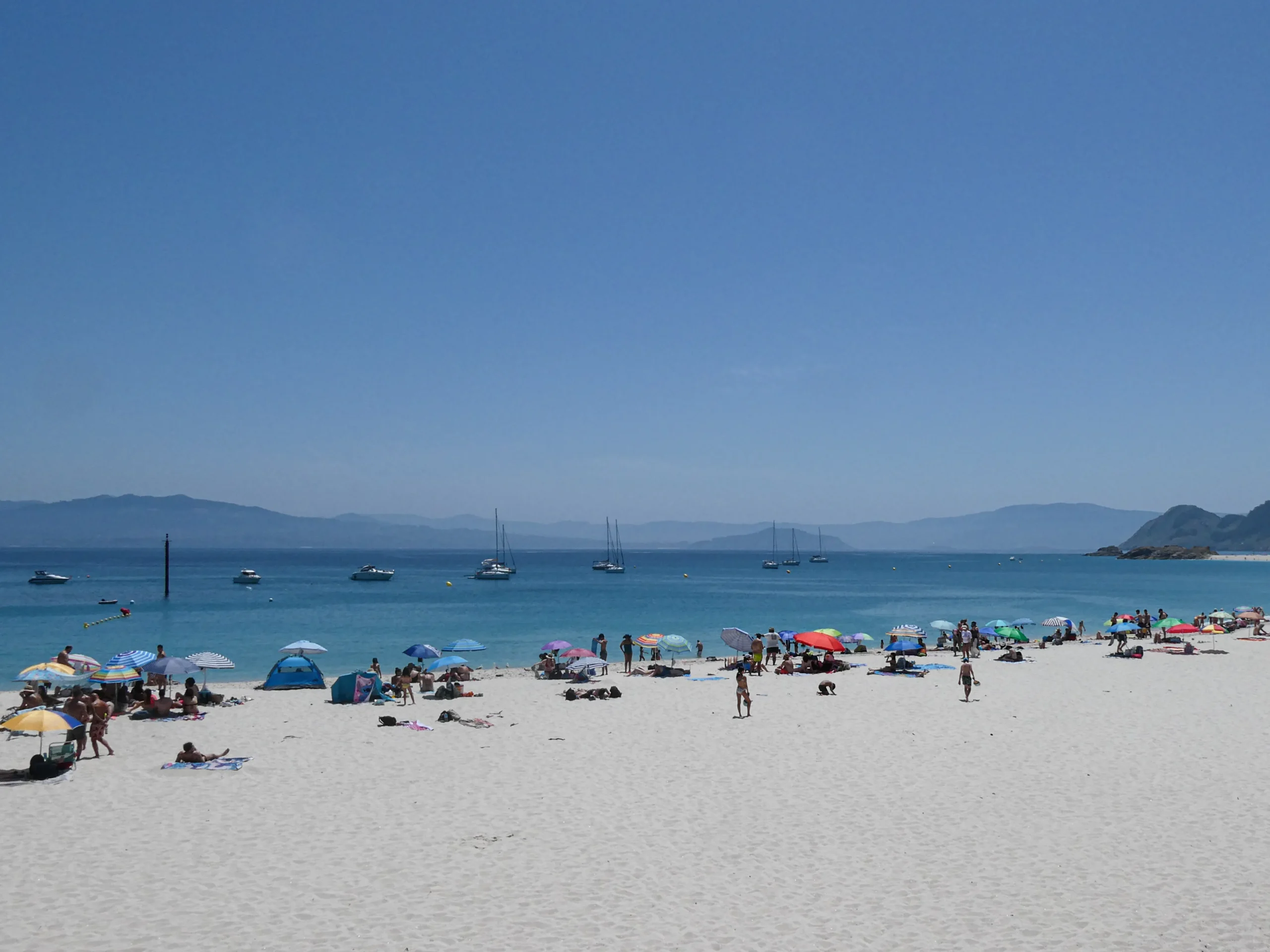
Marina services are of good quality. For serious repairs, however, it’s not ideal, as sailing isn’t really part of the local culture. There is a relatively well-stocked shipchandler, but for our winch collar – lost in the water during cleaning – we’ll have to order online. We take advantage of a day ashore to explore the Galician coast, as far as Cape Ortegal and its sheer cliffs dropping into the ocean. Further east, we’ve fallen in love with the Santa María de Ortigueira ria, where we’d happily beach our boat. For the time being, we retreat to the nearby beach, in the soft light of this late afternoon. It’s almost with a twinge of sadness that we leave Corunna, just as the cafés begin to welcome their regulars over café con leche and churros. We take one last look at the waking city as we pass the Hercules lighthouse. The sea is fairly calm. Three other sailboats seem to be following the same course as us. Suddenly, the horizon disappears. Visibility drops to less than 100 m. Fog rolls in, typical of these coasts where humid Atlantic air meets cold currents. No more peace and quiet. We switch on the radar and launch a careful watch. Two hours later, we emerge from the cotton. The sun is shining brightly again. We round Cape Finistère under single genoa, pushed by a freshening easterly wind gusting to 28 knots. A few gybes are necessary. It’s eight o’clock when we drop anchor in the pretty bay of Enseada de Langosteira, after ten hours’ sailing. The next day, we set course for Muros, a small town with an old-fashioned charm. In the 19th century, its inhabitants made their living from sardine fishing. Today, the granite arcades lining the bay are home to cafés and shops, where nets were once mended. Sailing also means stopping to meet new people. In Vigo, we meet up with a friend. Together, we share a Galician-style octopus. I think with a touch of remorse of those animals trapped by the thousands to satisfy human greed. “If there’s one must-see destination 7 miles from Vigo, it’s the Cíes Islands, classified as a national park. We take our friend there and drop anchor in front of one of the world’s most beautiful beaches, lined with turquoise water. By day, canoes and ferries from Vigo pour hundreds of visitors onto the white sand. But when night falls, they all head back to the coast. Then, as the stars gradually light up in the sky, the magic happens. We sit on the deck and gaze out into the infinite universe. The next day, we set off to climb the lighthouse, sweating in the scorching heat. At the top, our discomfort is quickly forgotten by the spectacular view before us. We reluctantly leave this paradise and head for Baiona Bay, Galicia’s last anchorage before Portugal.
Portuguese Atlantic coast
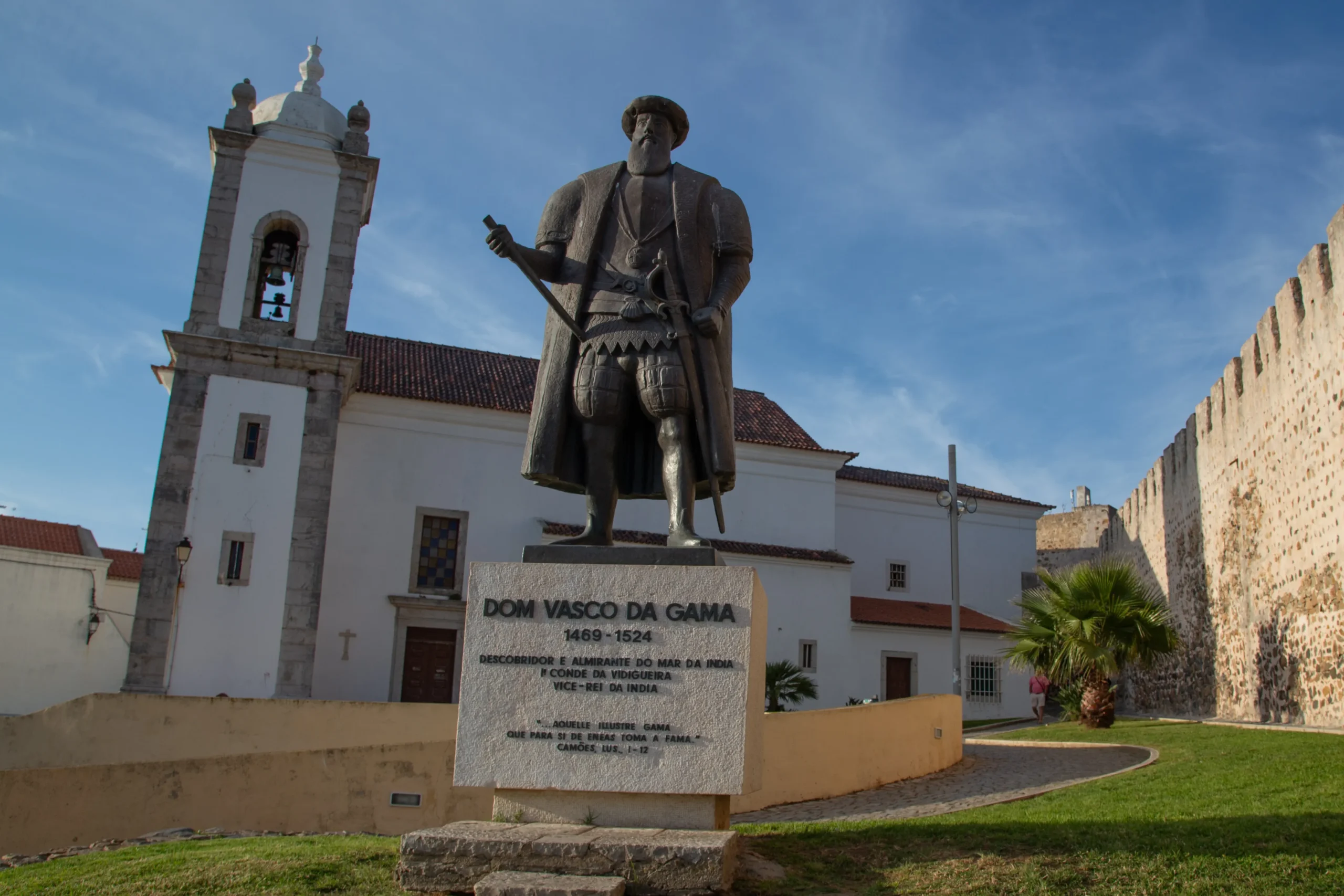
As we pick up where we left off three years earlier, our journey takes on a different hue. Not because the places have changed, but because the light, the weather, the atmosphere of a moment reinvents them. In Póvoa de Varzim, the contrast is striking. We had witnessed the splendor of the 500th anniversary of its church: floral processions, lively floats, crowds jubilant in the heat, enjoying churros and toffee apples under fireworks at night. This time, the city seems almost melancholy. So we head inland to visit Braga and its Baroque churches. We spend an unusual night in a former monastery in Guimarães… and further afield, in Barcelos, we are told the epic tale of the famous rooster, which has become the symbol of Portugal. This year, we’re skipping Porto, which is too busy for our liking. And then there are the places that deserve to be remembered intact. Like this mooring on the Douro on a summer’s evening. Or the thrill of sailing up the Tagus with a Northern Gannet, under the 25-April Bridge and along the Place du Commerce. The ultimate luxury: we’re in no hurry. This leaves plenty of room for serendipity, those happy discoveries that come when you’re not looking for anything. On the way to Peniche, for example, we gave in to the call of the Berlengas Islands, a granite jewel rising out of an emerald sea, whose circular path offers breathtaking views. Or in Peniche, thanks to our triple mooring, you can enjoy an unforgettable evening with your neighbors. But not everything on board is sea-blue. A little foam sometimes disturbs the harmony. Because behind the images of freedom, there’s also the other side of the dream. You have to roll up your sleeves, get your hands dirty, mop up bilges, wait several days for a spare part or deal with a problem. Not to mention the hours spent trying to understand a malfunction on board. We call this zetetics: the art of adopting a rigorous research approach. A true philosophy of failure. Our careless error on the genoa furler is a good illustration of this concept. On leaving Cascais, a clumsy mistake turned a trivial manoeuvre into a nightmare. It was impossible to furl the damned sail in 25 knots of wind. Four hours later, in the middle of the night, we anchored off Sines, exhausted but relieved. We fell in love with this little town where Vasco de Gama was born. In the port, a whimsical fisherman hands us grilled sardines on a slice of bread, accompanied by a glass of wine served in dubious crockery. Suspicious at first, we have to admit: the fish is delicious. In the evening, a festival of gastronomy enlivens the town. We regain our strength before heading south.
Algarve
Back to familiar territory. Mainsail and solent carry us to Lagos, where the pleasant marina offers all the services necessary for the smooth running of the yachts. But for the past few days, the dull heat has been invading the boat. Fou de Bassan and his crew, more used to Breton breezes than southern furnaces, are suffocating. Since Lisbon, only a handful of anchorages offer a little coolness. Such as Culatra, a small fishermen’s island in the Ria Formosa lagoon, just opposite Olhão and Faro. It is part of a group of barrier islands that protect the lagoon and its salt marshes from the Atlantic Ocean. We loved this fishing village with its colorful boats, where time seems to stand still, and its cooperative restaurant, which brings together locals and visitors in a simple, cheerful atmosphere. In the evening, near the Olhão shuttle pier, an orchestra mixes Latin and Portuguese rhythms in front of a peaceful, attentive audience of all generations. Nothing to do with the deafening parties of the big marinas. In the morning, the village awakens to the chirping of oystercatchers on the foreshore, barely disturbed by the passage of planes from Faro.
Andalusia
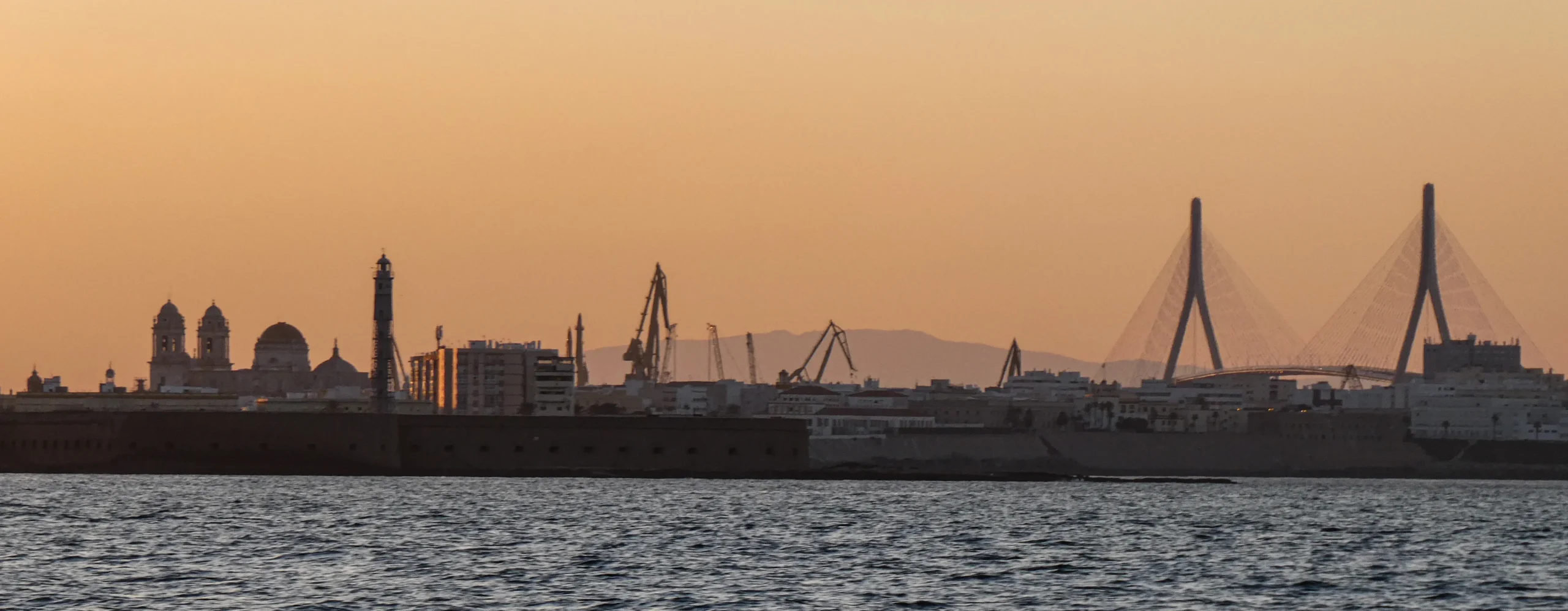
Excitement is at its peak when we reach the mythical city of Cadiz. The disappointment of being moored in the industrial port, facing a lifeboat that revs its engines day and night, quickly disappears in front of the city founded by the Phoenicians, which has always been turned towards the sea. Cadiz, the city that warms hearts. With its lively old town, its colorful market, its many tree-lined squares filled with the cries of children and the cheerful conversations of the locals. A city that emerges from its torpor once the sun goes down. Where Andalusian life expresses itself through the half-open doors of centuries-old buildings. Like this choir of men, all casually dressed, at the back of a garage, repeating local melodies in their warm, rhythmic, catchy voices, under the spell of passers-by. “Please carry on,” we want to tell them as the session draws to a close. But such is the life of sailors who must continue on their way. Ours leads to Tangiers, rounding the Cape of Trafalgar, made famous by the naval battle of the same name. We set sail at dawn. The sea is calm and the mood light. The captain sings under sail. Everything goes wrong as we round the cape. The peak effect causes the wind to pick up, and we’re off to do battle. Headwind, engine running, current in our favor… but the shallows kick up four-meter waves. Under this formidable combination of elements, the engine groans, hiccups… – then stops dead. There was panic on board for a few eternal minutes. Until the captain dives into the cargo hold to reactivate the diesel circuit. No time to celebrate victory: two miles off Barbate, the huge tuna nets are deployed. We enter the orcas’ larder. Let’s hope they’ve gone elsewhere to hunt.
Tangier
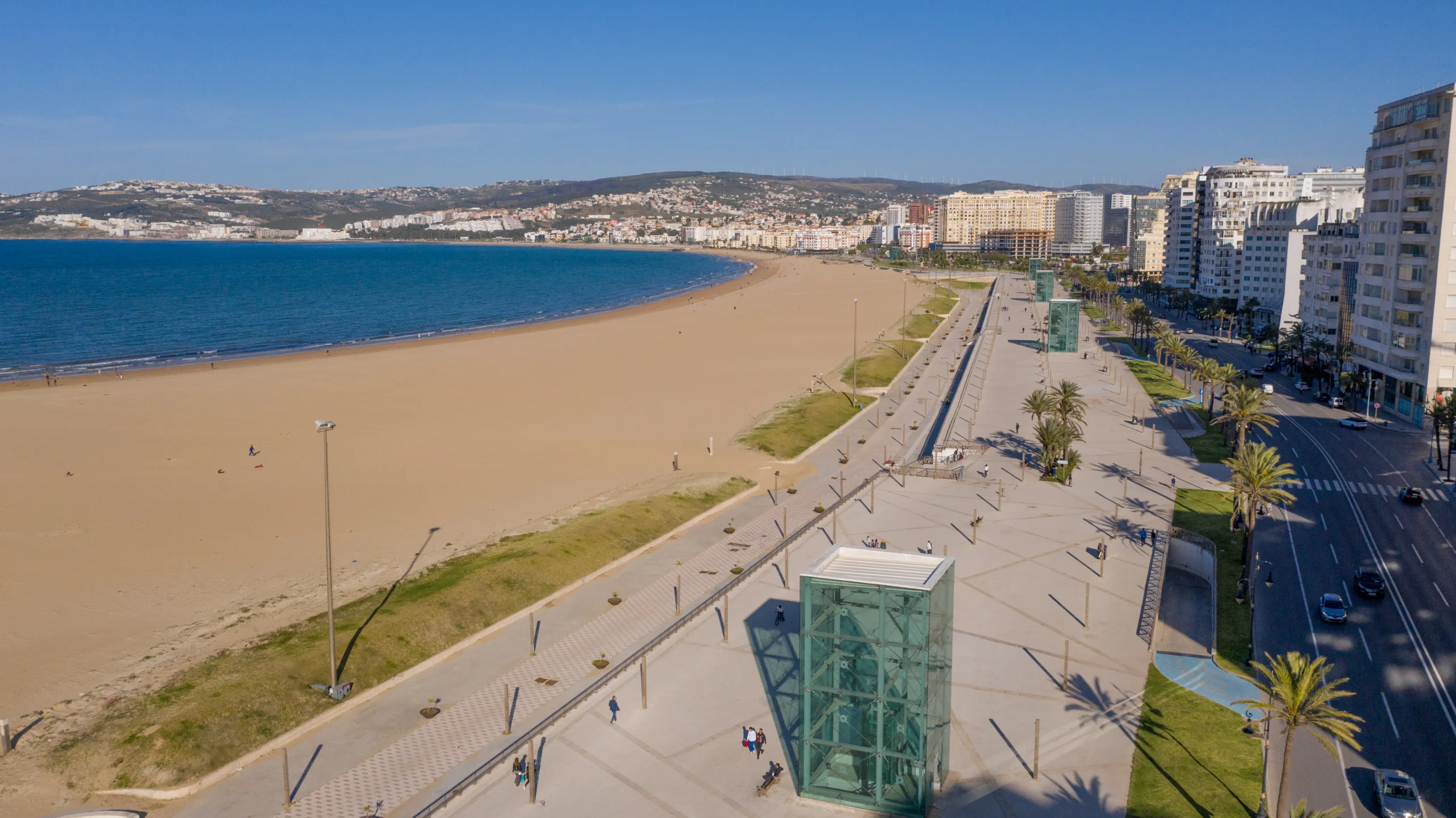
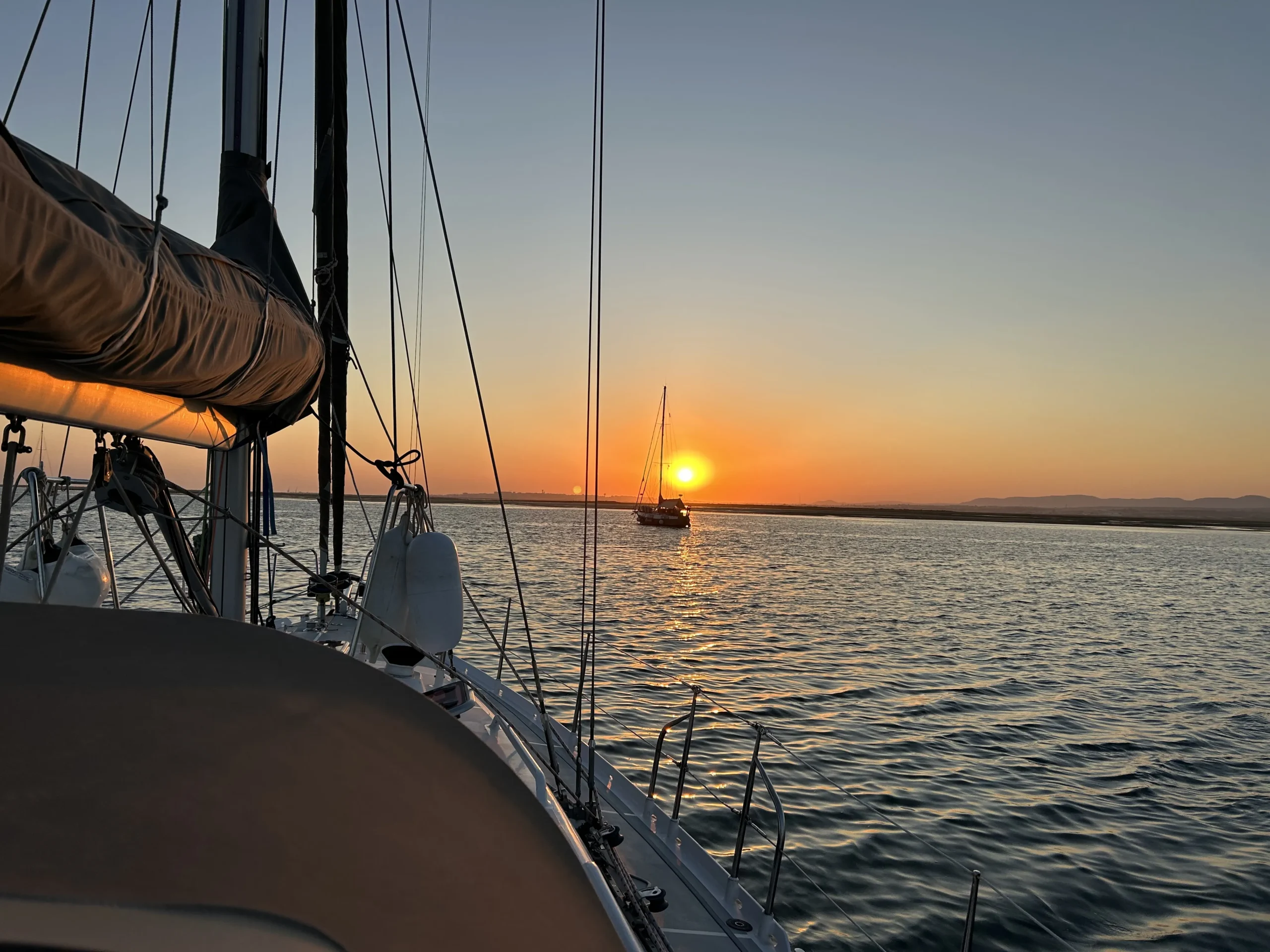
In Barbate, we watch impatiently for the weather window that will allow us to cross the last twenty-five miles to Tangier. In the Strait of Gibraltar, the winds blow relentlessly from east to west, turning every crossing into a challenge. At the marina, the heat is painful and the wind exhausts us. So, to wait, we walk along the path lined with maritime pines that leads to the spectacular cliffs of La Breña Natural Park. From above, the canopy looks like a carpet of broccoli. The wow effect is guaranteed. Finally, the window opens. We follow the orca-avoidance recommendations to the letter: motor along the coast, staying in the twenty-metre depth zone as long as possible, then give a 90-degree turn towards Tangier. In the DST, traffic is heavy. To be on the safe side, we call out on the VHF to a freighter heading straight for us. Phew, it corrects its course. In the distance, the familiar silhouette of Tangier takes shape. We recognize the marina by its three yellow, blue and white cranes rising into the azure sky. Emotions run high. Three smiling marina staff collect our moorings: “Welcome to Tangier”. The formalities take longer: passport control, boat search. This administrative ballet lasts almost two hours. Two hours quickly forgotten in the warmth of our pontoon neighbors, with whom we’re already exchanging tips while telling each other about our crossings. After eight weeks on the water, we’ve arrived in Tangier.
Practical info
Iberian killer whales: between fascination and concern
In Barbate, we met Thomas Le Coz, captain of the Walrus, Sea Shepherd France’s speedboat, on a mission to protect Iberian killer whales in the Strait of Gibraltar. With his crew, he criss-crosses these waters to make sailors aware of the risks of interacting with these vulnerable animals. Once thriving, these forty-odd individuals are now critically endangered. Since 2020, orcas have made headlines for their spectacular “attacks” on sailing boats: they attack the rudders, sometimes causing severe damage and, in rare cases, sinking the boat. In the event of an encounter, recommendations differ: France and Portugal advise turning off the engine and waiting, while Spain advises keeping the engine running and fleeing. No method is infallible: “Some interactions end quickly, others cause serious damage. It’s a game,” explains Thomas Le Coz, “but nobody knows why they interact the way they do.” His advice: stay close to the coast, on the twenty-meter line, a less frequented area. But depending on conditions, this isn’t always possible. Sailing here means accepting this risk… and sometimes relying on your lucky stars. Pingers, those acoustic repellents, and firecrackers are to be avoided as they are cruel and ineffective.
News updated daily: www.orcaiberica.org/fr
Atlantic ports of call: Cíes & Berlengas
Cíes Islands
Before dropping anchor in this paradise, classified as a national park, you need to obtain a mooring permit, which you can apply for online at iatlanticas.es. The neighboring island of Ons can be visited under the same conditions.
Berlengas Islands
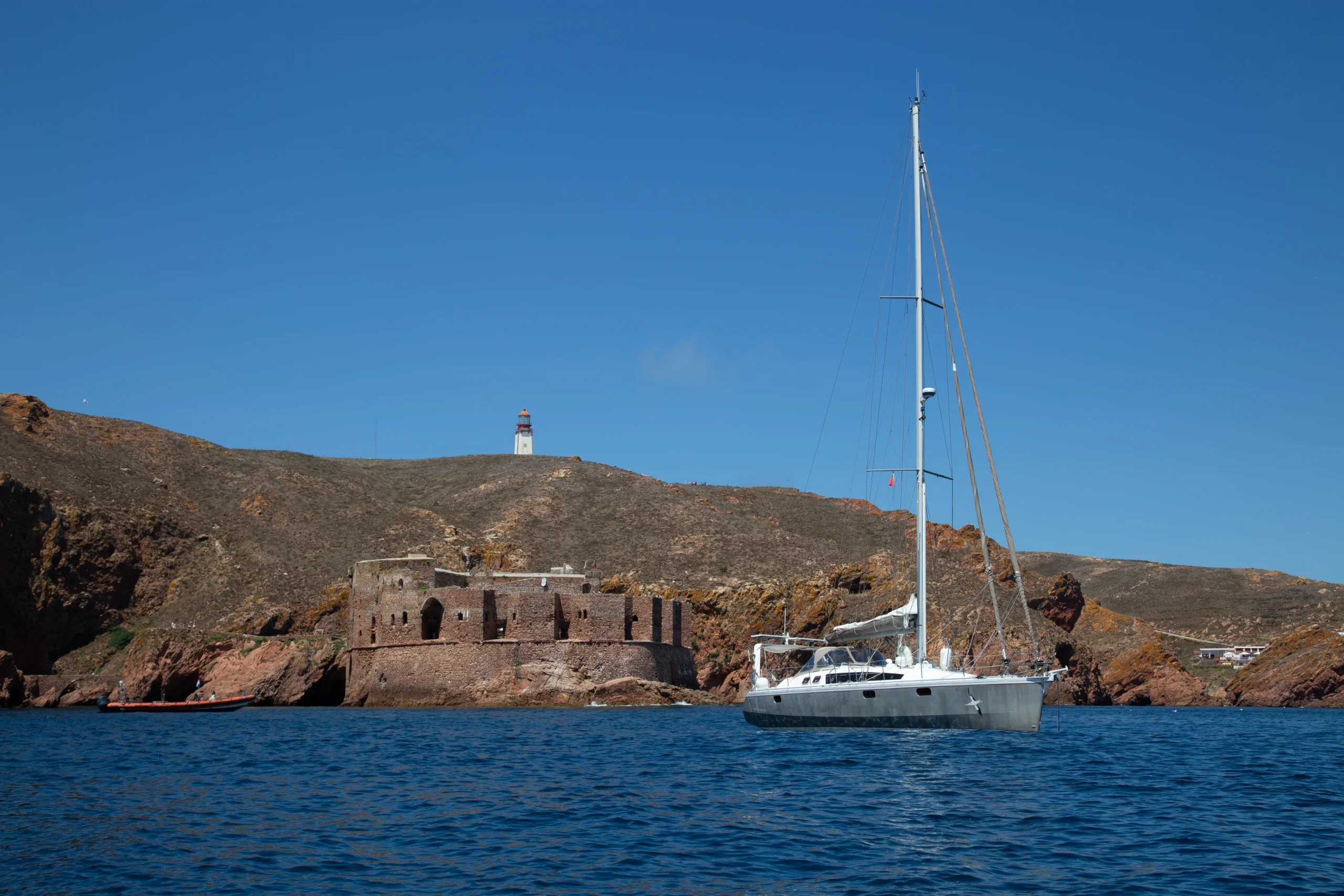
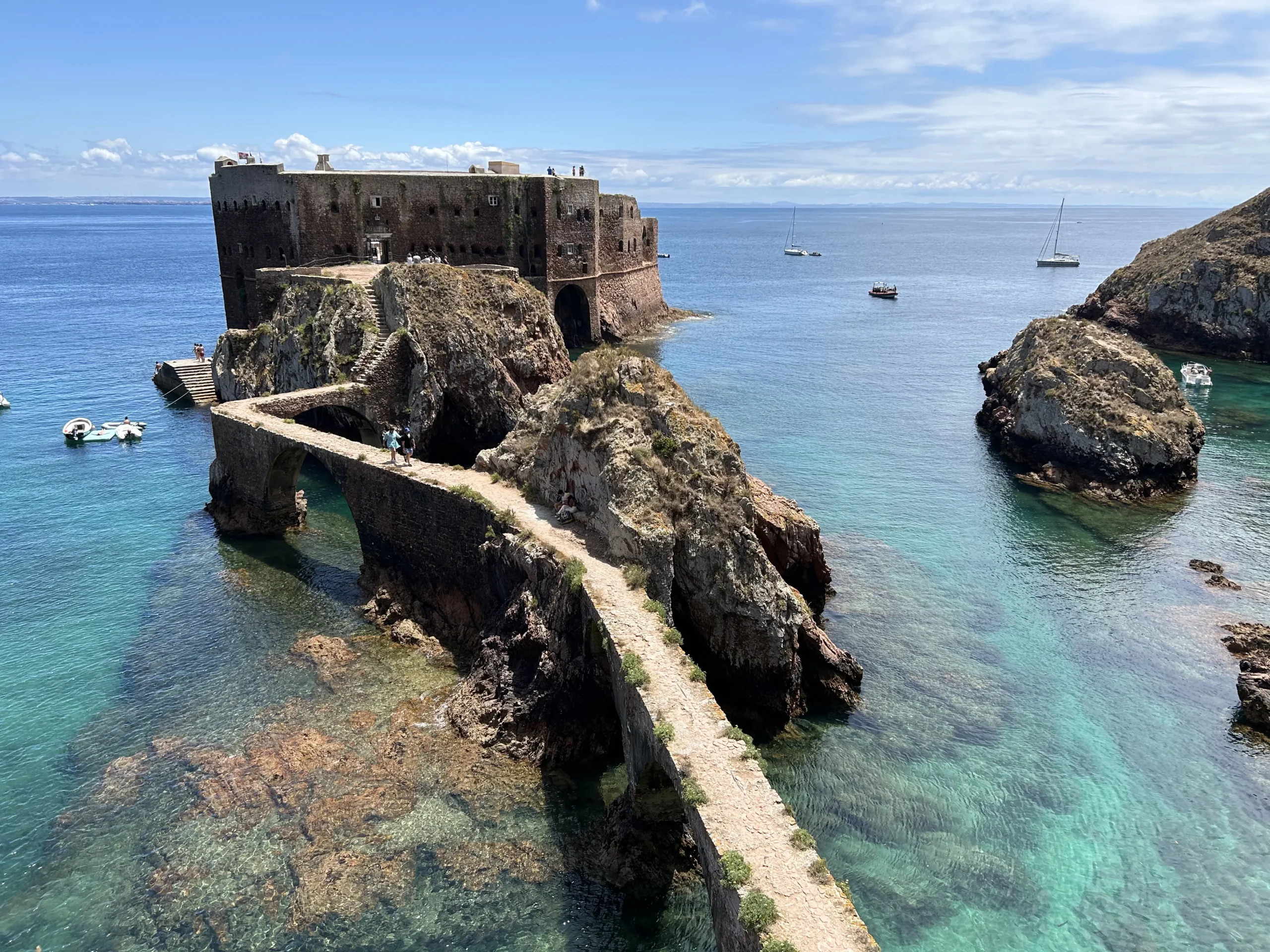
You can anchor at Carreiro do Mosteiro, which is often crowded, or at the foot of Fort São João Batista, which is calmer and more suitable for sailboats. A stopover in calm weather is preferable, as the Atlantic swell quickly makes anchoring uncomfortable.
Formalities – Marina de Tanger
The formalities can take several hours, with the boat being searched on arrival and departure. We had sent our papers a few weeks in advance, which helped shorten the procedure. Drones and firearms are prohibited and handed over to the authorities. In Morocco, anchorages are prohibited. The marina is modern and recently built, with sanitary facilities and a stone’s throw from the medina and shops. In summer, the nearby discotheques can be heard all night long. The wind sometimes carries Saharan sand: we recommend protecting winches and furlers. You should also bring filters (sediment and carbon) to fill water tanks.
Northern Gannet
Crew: Elisabeth and Bernard
The boat: OVNI 445, year 2011, Alubat shipyard
To follow the adventures of Fou de Bassan: foudebassan.com
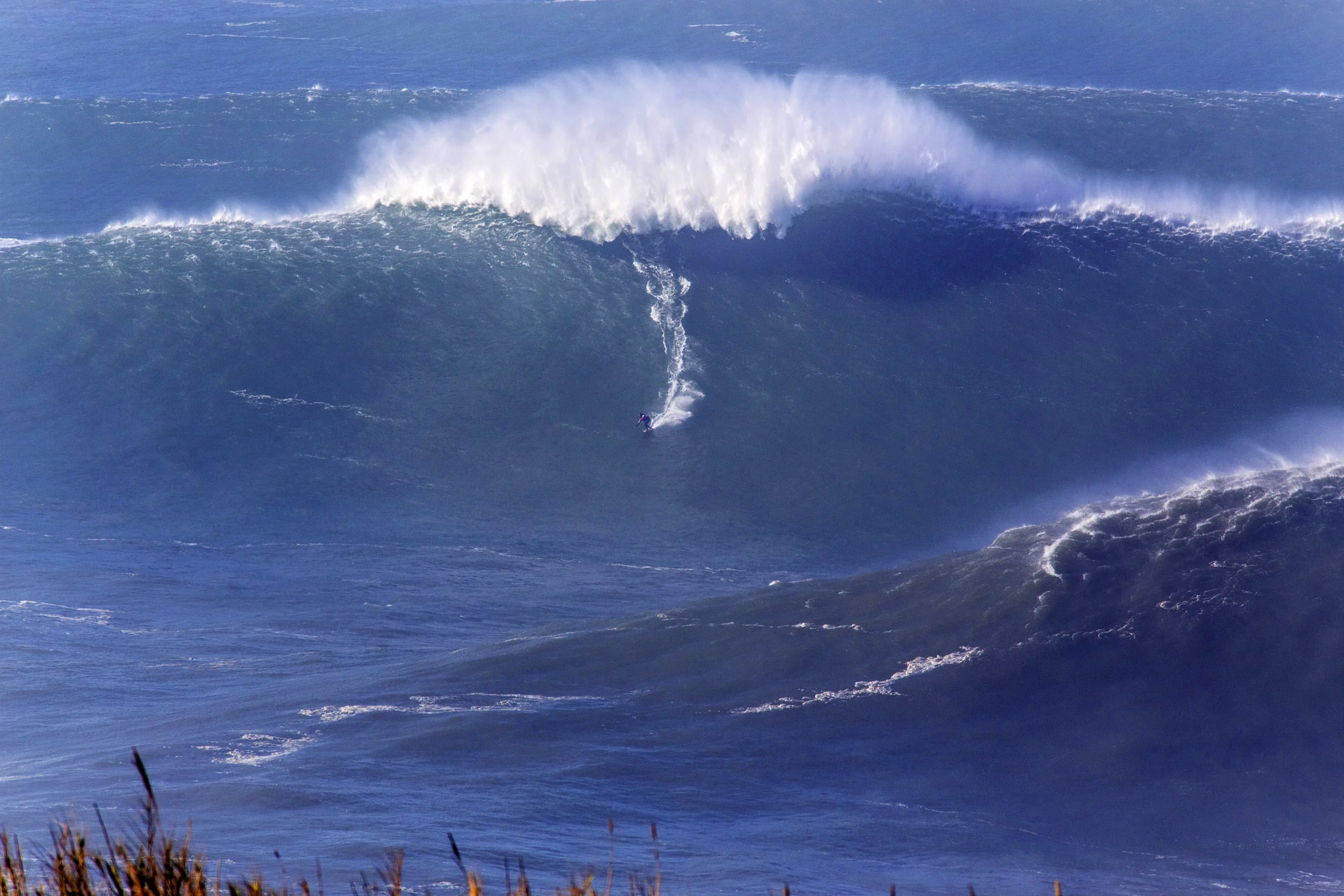
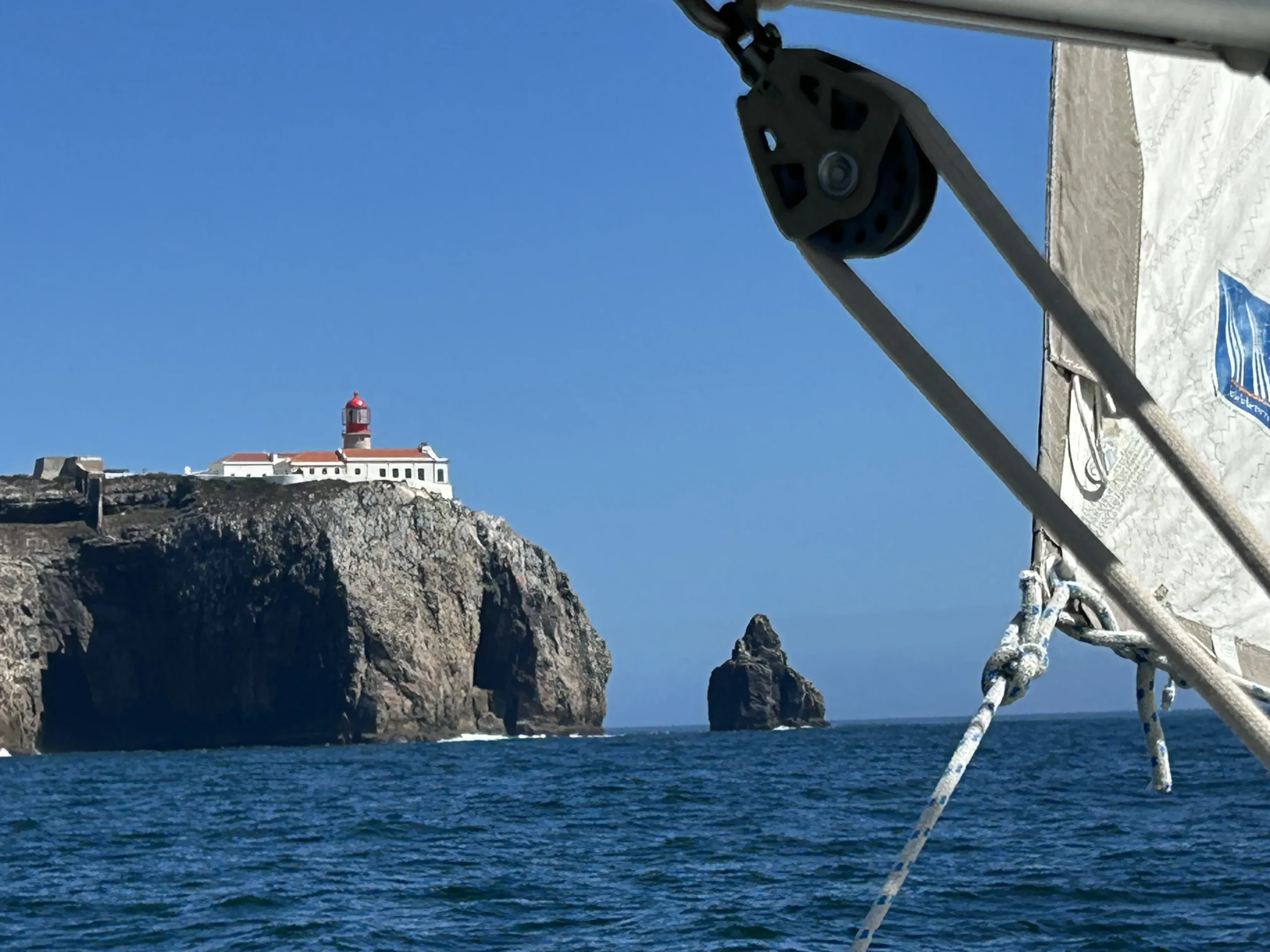
CAPE SAINT-VINCENT. ©Bernard Thorens

stands on the banks of the Tagus ©Turismo de Lisboa