

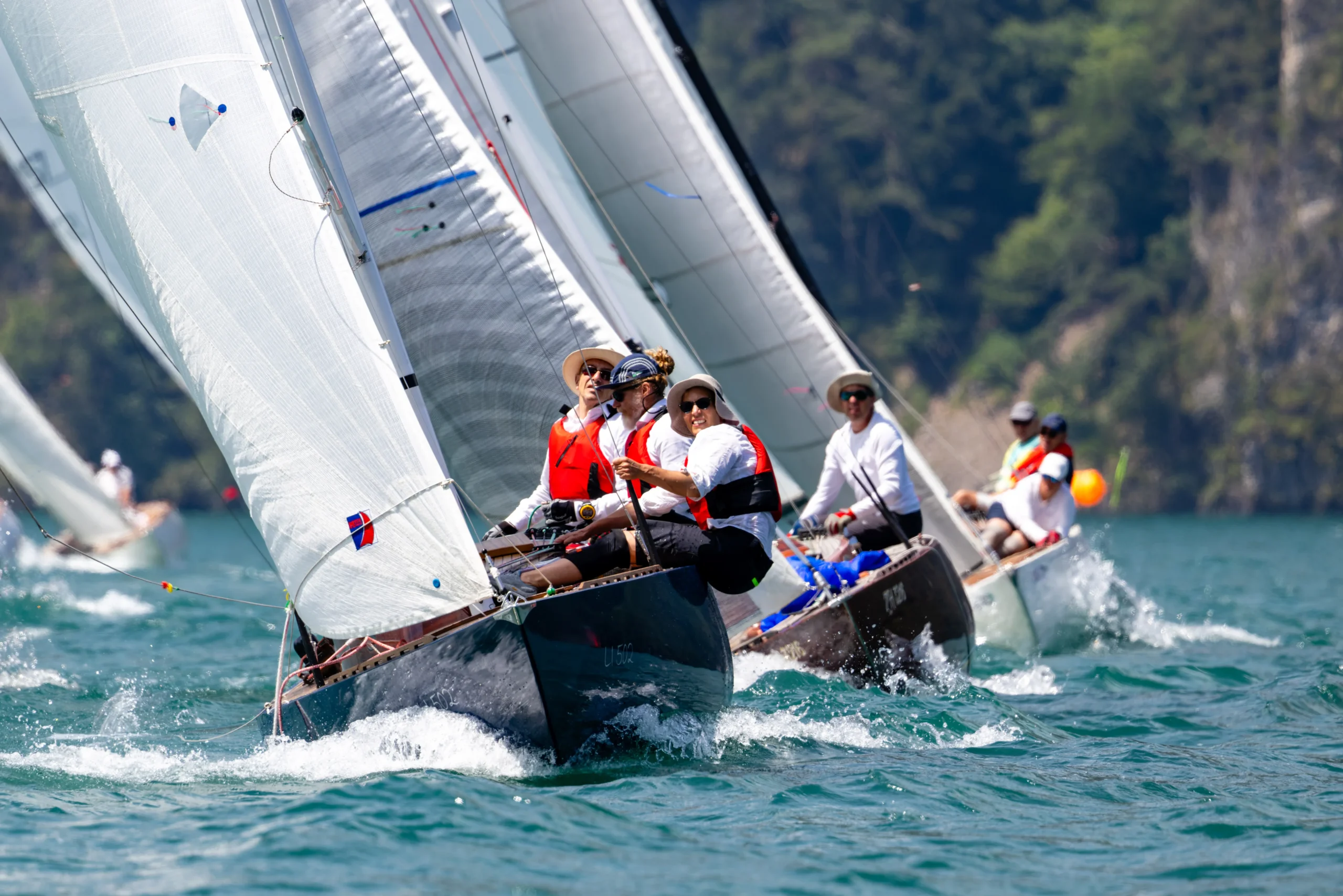
Swiss Championships
When a foreign crew wins an international Swiss championship, they can certainly claim victory in the event, but the official title of Swiss champion remains reserved for sailors domiciled or established in Switzerland. Does this rule still apply?
“It’s pure Swiss nationalism. As a participant in the Swiss championship, I find it unacceptable that foreigners are invited to take part to beef up the field, but are denied the title when they win the event. From a sporting point of view, it’s the best who should win, the one who crosses the line first. But obviously, not all Swiss officials have understood this yet.” This is the opinion of a German sailor, visibly annoyed after the Swiss Lacustre 2025 championship, held on Lake Uri. The German sailors could have avoided the whistles when the results were announced. All they had to do was carefully read the notice of race published by the Regattaverein Brunnen, organizer of the event. In fact, it reproduces the provisions of the Swiss Sailing regulations, which are specified in §1.4 “Awarding of titles and distinctions”:
The following titles are awarded (regardless of gender, unless otherwise defined):
A) Swiss National Champion (first boat, crew may be Swiss or foreign).
B) Swiss Champion (first boat with an all-Swiss crew).
Preserving identity or chauvinism?
It’s hard not to suspect a touch of protectionism behind this rule. Is it a relic of another age? Not really. The new rules for the Swiss Championships were adopted by a large majority at the Swiss Sailing General Meeting last November. The minutes show no objections on this point: the classes and members accepted them unanimously. But how can this principle still be justified in an increasingly globalized world? Shouldn’t the presence of foreign competitors be a godsend for classes struggling to gather sufficient numbers of participants to validate their championship? The reasons behind this rule remain unclear. Dominik Haitz, a member of Swiss Sailing’s executive board and head of the Racing department, puts it mildly: “We’re open to any suggestions for improving the rules. Based on the feedback we receive, we will submit a proposal to the General Meeting in November. But we mustn’t forget that the current rules were adopted in 2024 on condition that they be subjected to a two- to three-year test phase. It would be premature to overhaul it entirely.
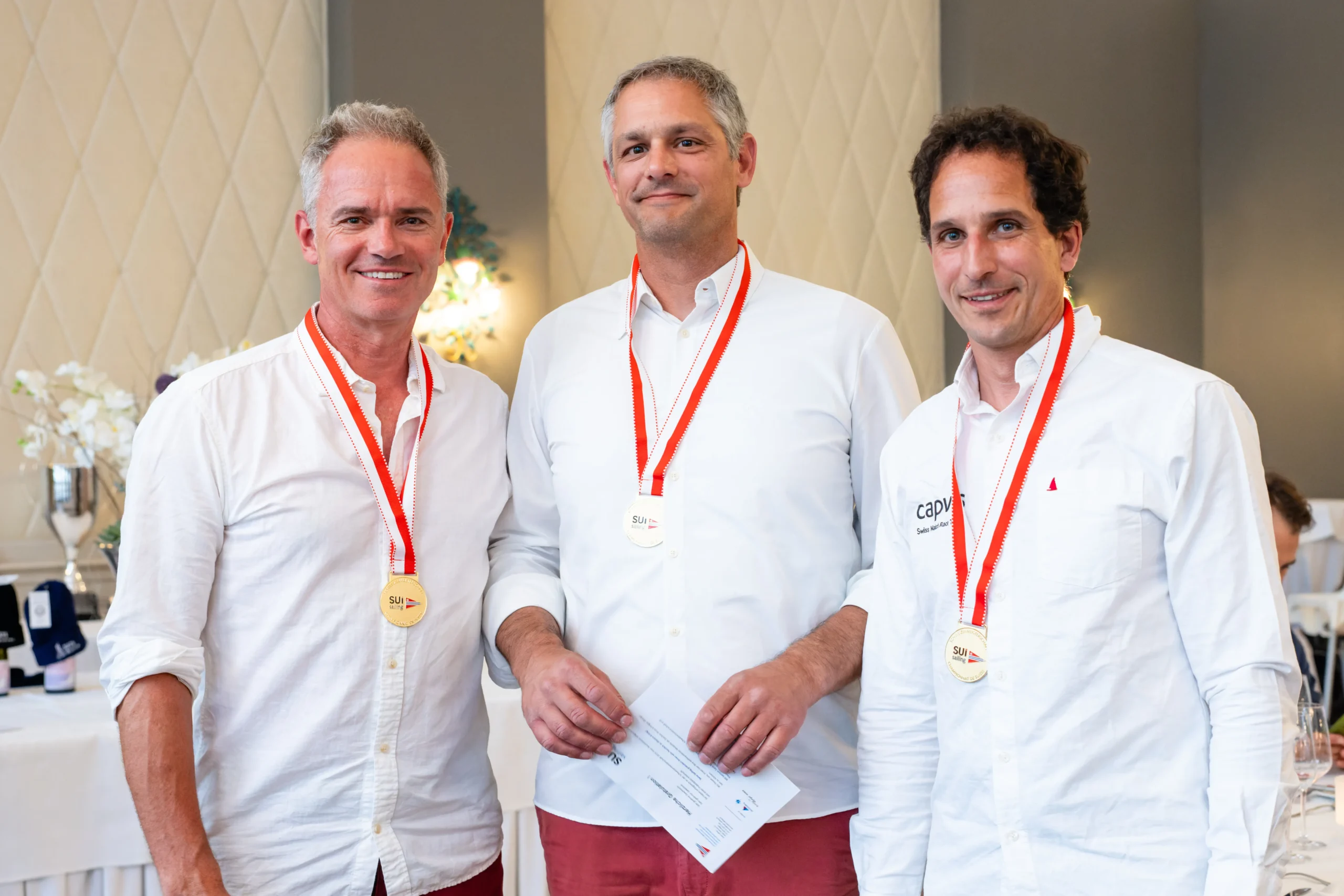
AND A MEDAL, BUT DID NOT WIN THE CHAMPIONSHIP. ©PhilippSchmidli
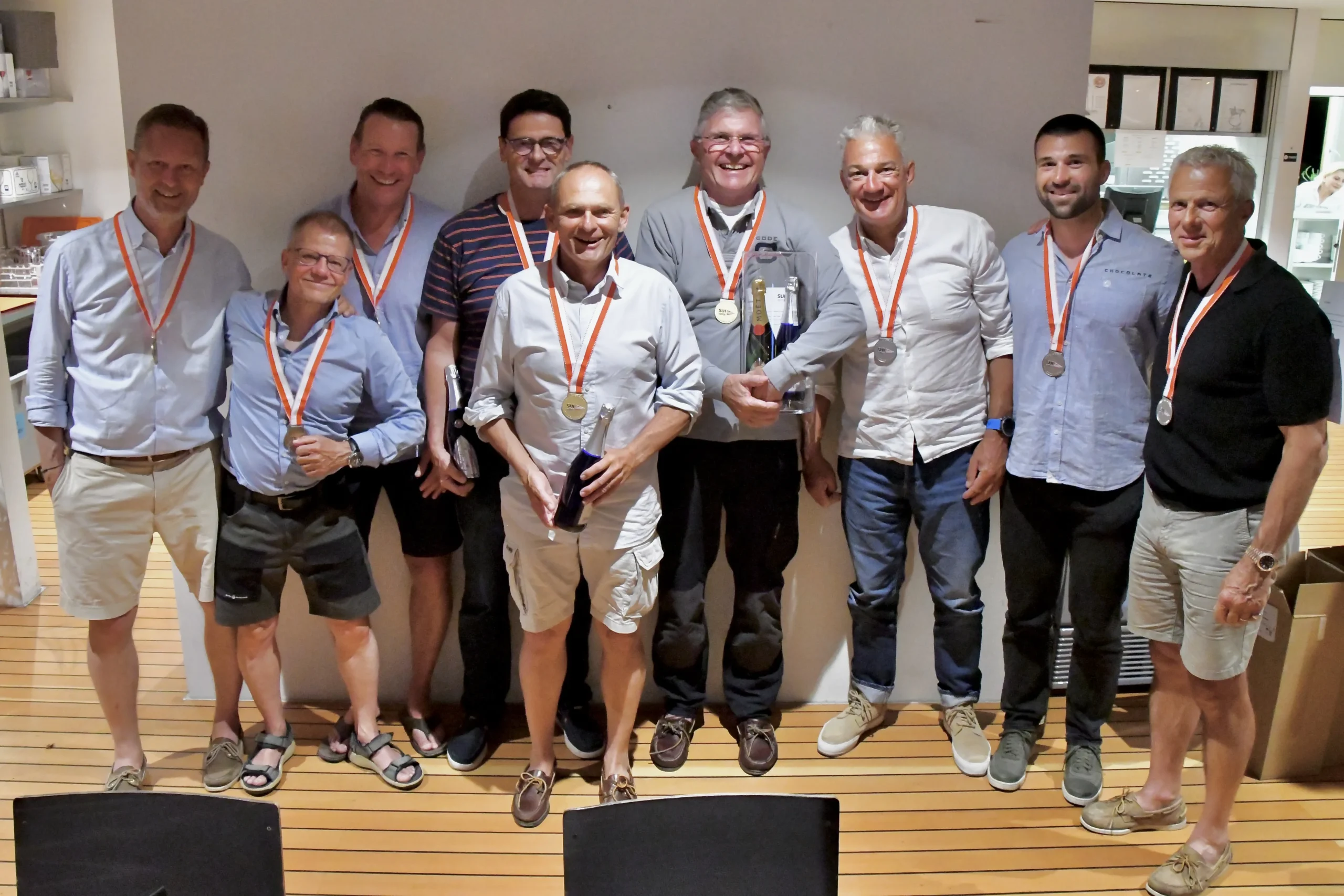
to local residents ©PeterKupferschmied
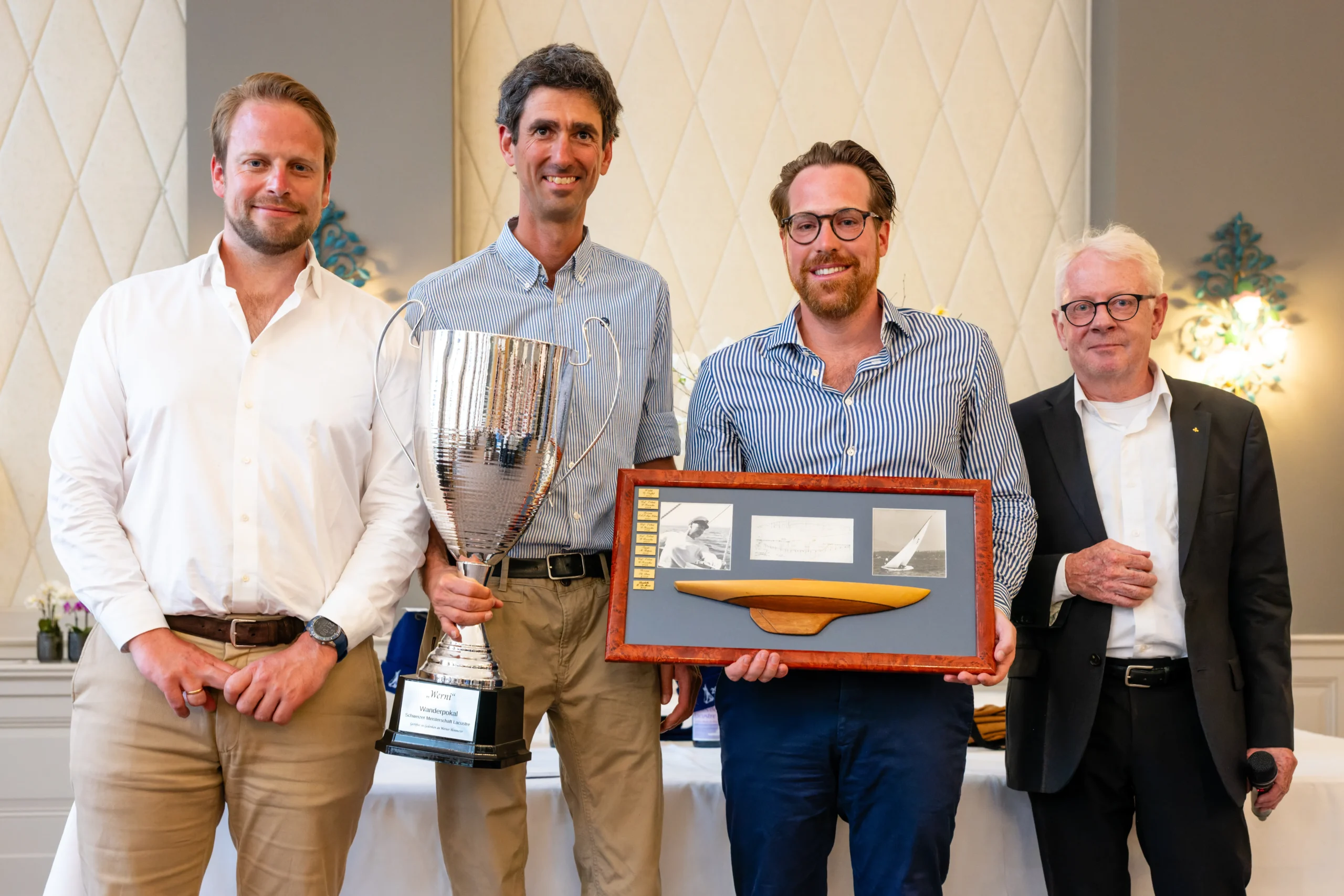
WITHOUT A TITLE OR MEDAL.
©PhilippSchmidli
Switzerland is far from being an exception
A quick look around shows that Switzerland is not an isolated case: in many countries, national titles remain the prerogative of local nationals, even if events are open to international competitors. Whether in Austria, France or Italy, the title of national champion systematically goes to the country’s top crew, irrespective of the overall winner. While foreigners raise sporting standards, the awarding of titles remains a subtle balance between openness and preservation of identity. Germany, on the other hand, applies a different philosophy. Ulf Denecke, representative of the German Sailing Federation, explains: “Anyone who wins a German international championship is a German international champion, regardless of nationality. There is no distinction between a German champion and a German international champion.” The same principle prevails in Northern Europe, Anglo-Saxon countries and South America, although some classes may have specific rules.
A storm in a glass of water?
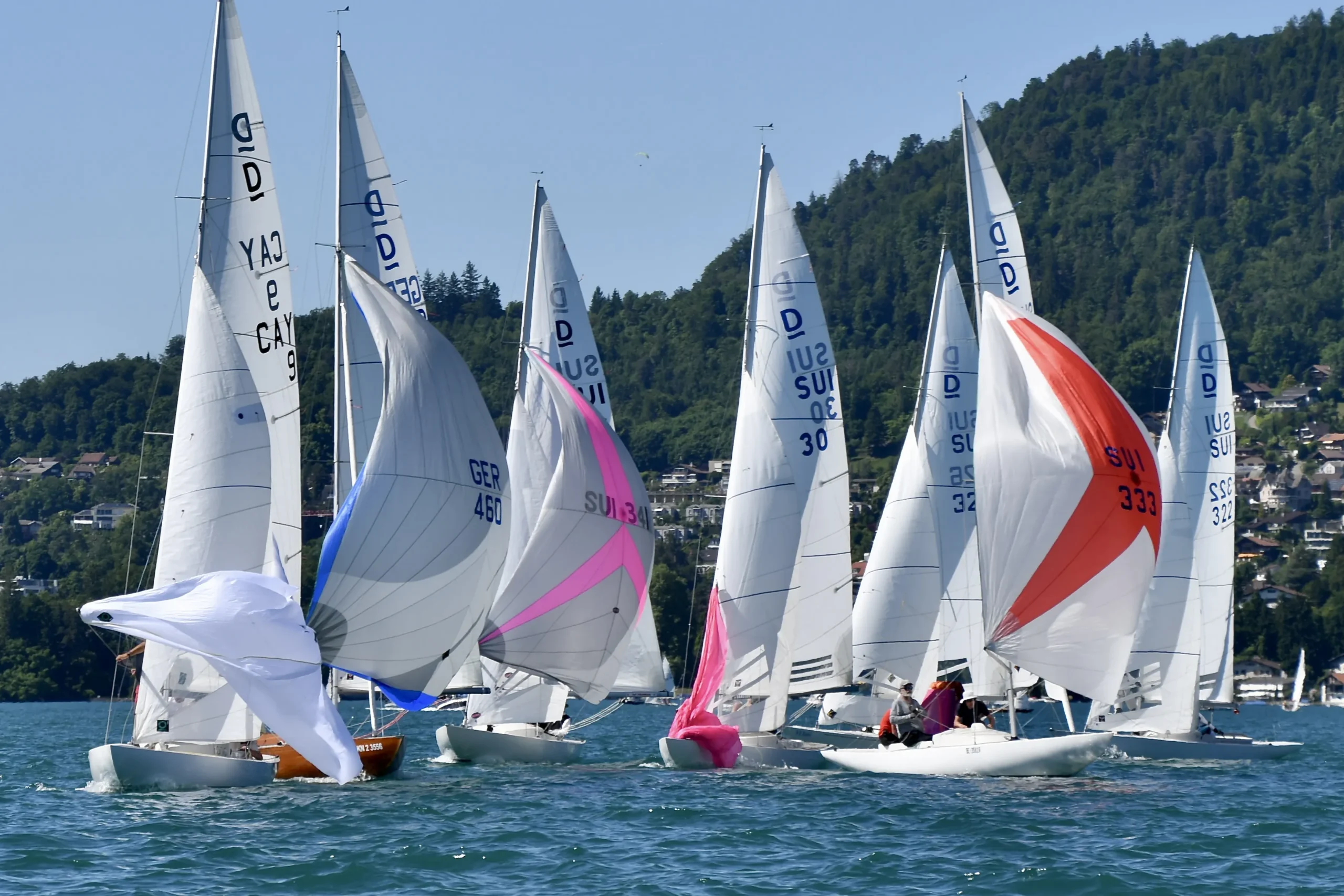
The Swiss Lacustre championship wasn’t the only one to see foreigners on the podium. In Arbon, at the Swiss Finn championship, class president Michael Good didn’t mind the two podium finishes: “On the top step, there was twice a Swiss, who therefore won both the championship and the title of Swiss champion.” In Thun, on the other hand, it was a British crew that won the Swiss Dragon championship. According to class president Garlef Baum, only one Swiss entrant challenged the decision not to award the title to the British. An isolated case, he relativizes, no need to make a big deal of it. “Most foreigners come to win the regatta, not the Swiss title. Adrian Bauder, Principal Chief Umpire/Chief Judge, and head of the Rules & Regulations commission at Swiss Sailing, shares this analysis and illustrates it with an example: “A sailor taking part in a Polish match race championship is not primarily aiming for the national title. What counts for him are the world ranking points obtained in a grade 2 event.”
Nothing is set in stone
Thomas von Gunten, president of the Swiss Sailing classes, doesn’t intend to leave it at that: “I’ll be contacting the classes to find out what they think,” he announces. “The rules of the Swiss Championships are not set in stone. See you at the next General Meeting to see how members and classes will vote on the management’s initiative. It would be regrettable if foreigners were to start shunning the Swiss championships, at a time when the numbers, already often sparse, are shrinking even further.