Vietnam
The fall of Saigon on April 30, 1975, marked the end of the war between Vietnam and the United States. Fifty years later, the resurgence of the cities of Hanoi and Saigon (Ho Chi Minh City) is drawing visitors from all over the world.
In the north
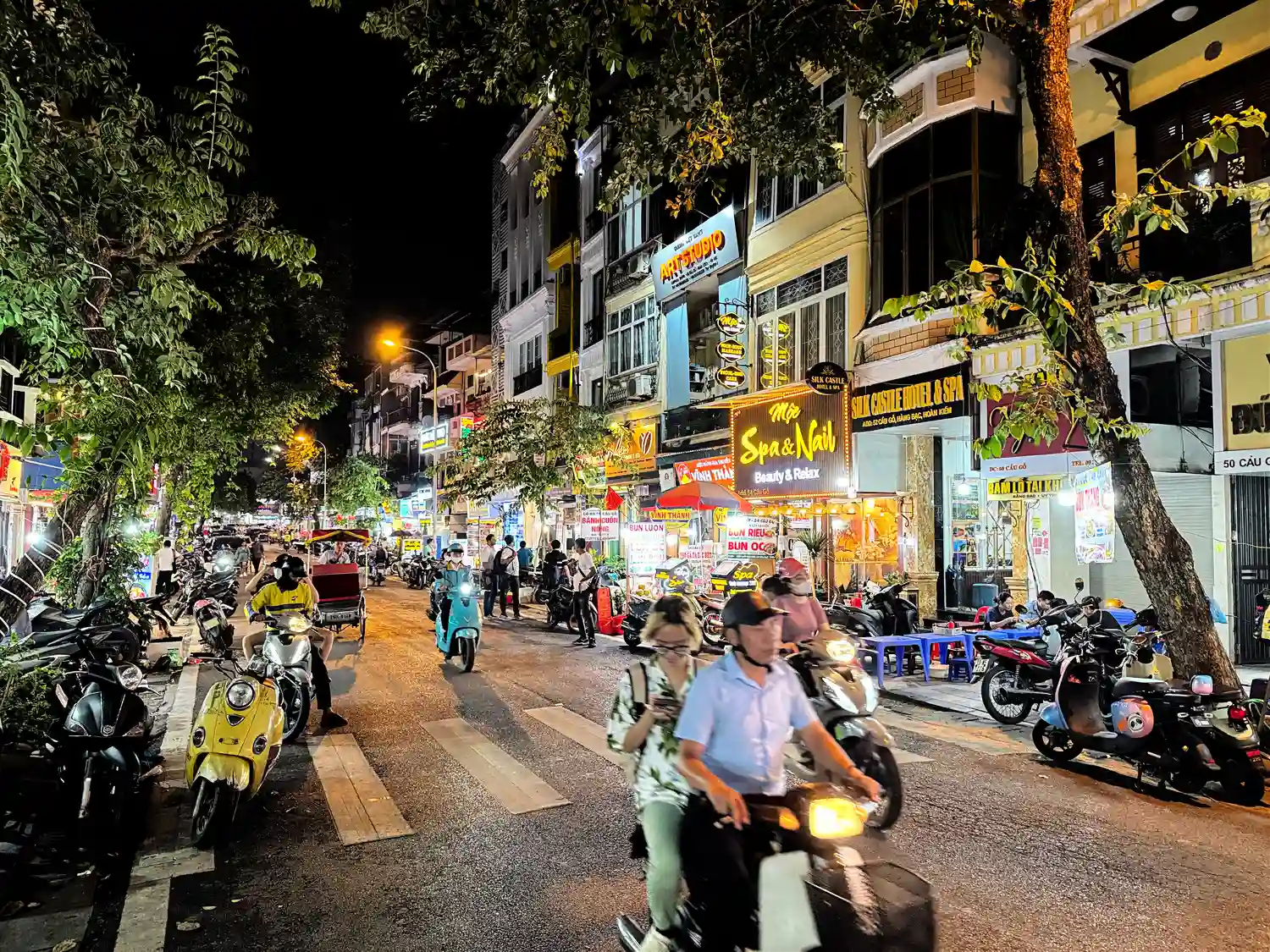
The Far East is becoming increasingly attractive to travelers from Switzerland. They are fascinated by the culture, the landscapes, and the affordable travel options in Vietnam. A trip to the country’s two political and economic centers is highly recommended, as they complement each other perfectly (both airports are served by Turkish Airlines, making it easy to combine visits to both cities). Hanoi is known for its nostalgic charm and lively atmosphere. Artists are inspired by the architectural jumble. Has the city, with its street food stalls on the sidewalks and Starbucks cafes on every street corner, turned into a melting pot that is half postcolonial and half globalized? A bewildering mix of old buildings from the French Indochina era and contemporary high-rises defines the character of this metropolis, which remains shaped by a millennium of Chinese influence. Over time, residents have remodeled their homes according to their needs and means, adding balconies, verandas, neon signs, and air conditioning. This creates a heterogeneous and chaotic cityscape. While new buildings are subject to architectural standards, older buildings enjoy a certain degree of freedom when it comes to renovation.
Panorama
We pass the prestigious opera house, which was built by the French colonial rulers at the beginning of the 20th century in the style of Paris’s Palais Garnier. We stroll down wide avenues lined with old yellow buildings that also date back to the colonial era. The further we venture into the heart of Hanoi, the further back in time we travel. It’s hard to imagine that in this ancient commercial district, real estate prices are now as high as in London or Tokyo. Craft shops are booming here, as are small food stalls where you can try the traditional hearty soup made with vegetables, rice noodles, spices, and pork.
A trip to the countryside
The best time for hiking in Vietnam is the dry season, from November to April. Hanoi offers excellent access to breathtaking natural landscapes that are ideal for hiking:
- Sapa is considered the queen of trekking tours: mountains, rice terraces, and ethnic villages set against a breathtaking backdrop.
- The green valleys of Mai Chau and Pu Luong offer well-marked hiking trails and traditional accommodations with local families.
- Ninh Bình is often referred to as the “Halong Bay of the Interior” because of its spectacular limestone formations. Hikes lead to hidden pagodas, rice paddies, and idyllic rivers where you can go paddling.


In the south
How many motorcycles are there in Saigon, a city that, including its suburbs, has as many inhabitants as the entire country of Switzerland? Estimates range from 3 to 6 million, though this figure cannot be confirmed with certainty. In any case, there are enough to turn Hanoi’s rival into a huge, noisy beehive. Experiencing Saigon means being captivated by unusual modes of transportation: for example, the Xe Lam, a kind of three-wheeled pickup truck, or the picturesque bicycle rickshaw, which seems particularly exotic to tourists. You see motorcycles loaded with an entire family plunging into the general traffic chaos and the intoxicating exhaust fumes.
The Dragon’s Energy
You quickly realize that this metropolis is a southern city. At aperitif time, crowds of French people gathered on the terraces of the hotels from the Golden Twenties and ordered vermouth, cassis, Byrrh, or gin and tonic with a southern accent. But what remains of the place once known as the “Little Paris of the Far East”? A few beautiful facades, such as the Governor’s Palace with its white columns and stucco ceilings, a city hall that some describe as an exquisite pastry shop, a main post office with a striking steel structure, designed by Alfred Foulhoux yet often mistakenly attributed to Gustave Eiffel, an elegant municipal theater, and a row of colonial-style villas.
In the Footsteps of Marguerite Duras
- Less than 150 kilometers from bustling Saigon lies the tranquil town of Sadec, which the French colonial rulers called the “Garden of Cochinchina” because of its fertile soil. It was in this remote village in the Mekong Delta that the young Marguerite Duras began the love affair she described in her novel “The Lover.”
- The Cu Chi Tunnels, remnants of the Vietnam War, offer much more than just a trip down memory lane. Visitors can venture into this underground labyrinth along designated paths—a unique experience for history and nature lovers alike.
- The Mekong Delta offers a cruise on foot along numerous canals and floating villages in picturesque surroundings and is ideal for hiking or cycling.
- The Black Virgin Mountain offers a pilgrimage and hiking trails along beautiful paths and is located about 60 km from Saigon.